

Costa Rica’s top wildlife viewing spots
Plan your ultimate nature adventure in Costa Rica
Costa Rica is a true paradise for nature lovers, offering an extraordinary range of wildlife and stunning biodiversity.
Whether you’re a traveler, nature enthusiast, or wildlife photographer, this Central American gem is home to some of the most diverse and fascinating creatures in the world. From sloths to jaguars, Costa Rica offers unforgettable animal encounters. Ready to embark on the adventure of a lifetime? Let’s dive into the top wildlife spots to explore in Costa Rica.
Table of Contents
- Sloths (Perezosos): Slow But Steady Wonders
- Great Green Macaw (Guacamayo/ Lapa Verde): A Spectacular Skyview
- Howler Monkeys (Monos Aulladores/ Congos): Nature’s Morning Alarm
- Jesus Christ Lizard (Lagarto Jesucristo): Masters of the Water
- Hummingbirds (Colibríes): Tiny Marvels in the Forest
- Leatherback Turtle (Tortuga Baula o Laúd): Giants of the Sea
- Red-Eyed Tree Frog (Rana Verde de Ojos Rojos): A Nocturnal Treasure
- Capuchin Monkey (Mono Capuchino): Playful and Charismatic
- Golden Orb-Weaver Spider (Araña Tejedora Dorada): Nature’s Architects
- Toucans (Tucanes): Vibrant Canopy Dwellers
- Quetzal (Quetzal): A Rare Sight to Behold
- Humpback Whales (Ballenas Jorobadas): Majestic Giants of the Ocean
- White-Nosed Coati (Coatí de Nariz Blanca): Curious and Social
- Jaguar (Jaguar): The Elusive Big Cat
- Blue Morpho Butterfly (Mariposa Morfo Azu): A Vibrant Display
- Baird’s Tapir (Danta): The Gentle Giant of the Rainforest
- Conclusion
- More Info
Key Takeaways:
- Costa Rica is a biodiversity hotspot, perfect for wildlife enthusiasts.
- Iconic animals like sloths, jaguars, and hummingbirds thrive in its diverse ecosystems.
- Top spots include Manuel Antonio, Corcovado, and Tortuguero National Parks.
- Wildlife tours offer a chance to practice Spanish with locals.
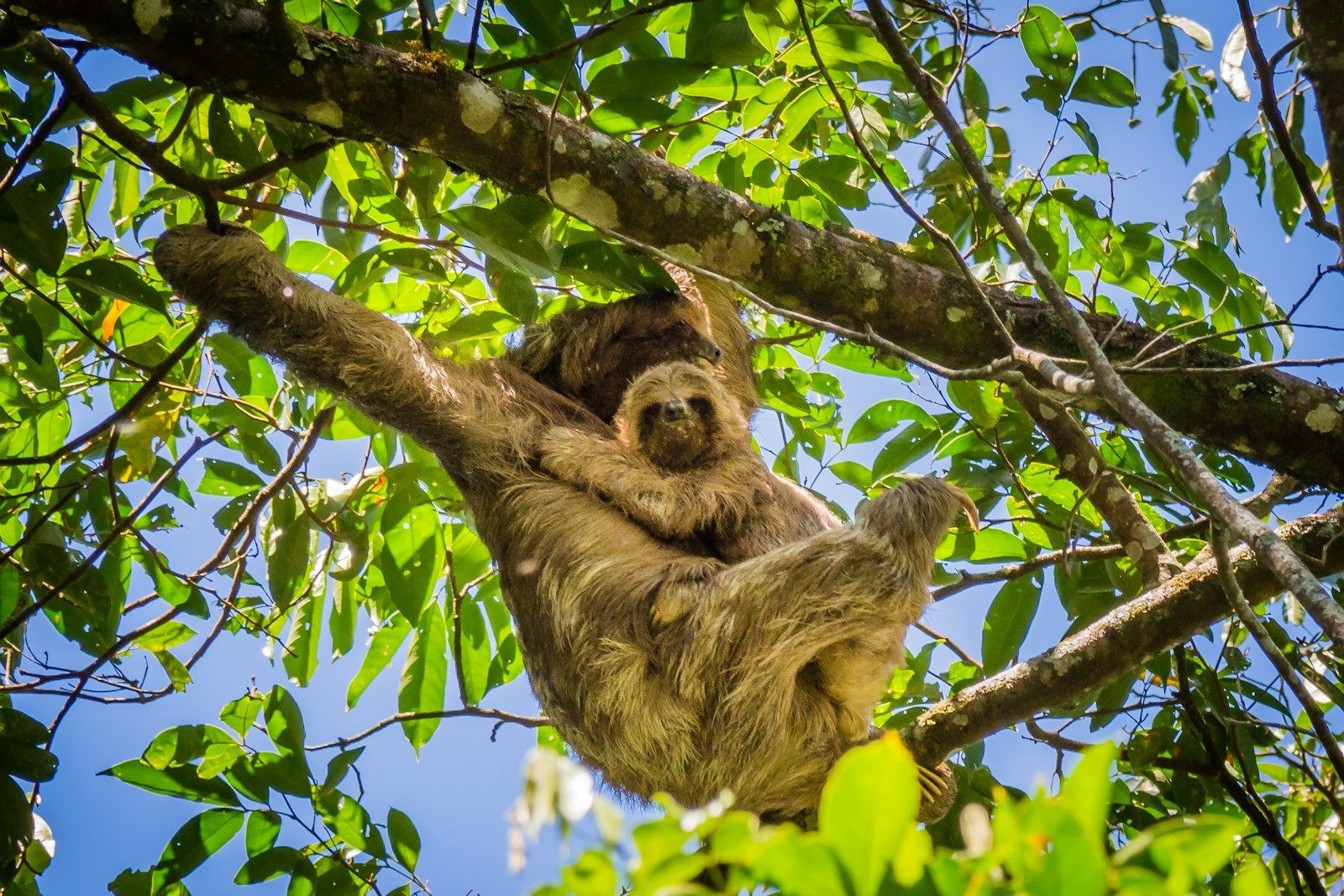
Sloths (Perezosos): Slow But Steady Wonders
🌍 Where to Find Them
Sloths are among Costa Rica’s most iconic animals. These slow-moving creatures are best spotted in the lush rainforests of Sarapiquí, Cahuita, Manuel Antonio National Park, and La Fortuna. Be patient as they move at their own pace—perfect for a tranquil wildlife experience.
🧐 Fun Fact
Sloths only defecate once a week, and it takes them an hour to descend from the trees to do so.
Great Green Macaw (Guacamayo/ Lapa Verde): A Spectacular Skyview
🌍 Where to Find Them
For bird enthusiasts, witnessing the majestic Great Green Macaw in flight is a sight you won’t forget. Head to Tortuguero, Carara National Park, Bahía Ballena, Corcovado, or Peñas Blancas for a chance to see these stunning birds.
🧐 Fun Fact
Great Green Macaws mate for life, and they communicate using a variety of loud, distinctive calls.
Howler Monkeys (Monos Aulladores/ Congos): Nature’s Morning Alarm
🌍 Where to Find Them
Known for their loud howls, Howler Monkeys make their home near the beach. Visit Manuel Antonio, Puerto Viejo, the Southern Pacific, and Northern Guanacaste to hear their distinctive calls echoing through the trees.
🧐 Fun Fact
Howler Monkeys have the largest hyoid bone in the animal kingdom, which helps amplify their signature howls.
Jesus Christ Lizard (Lagarto Jesucristo): Masters of the Water
🌍 Where to Find Them
The Jesus Christ Lizard, known for running across water, is a captivating sight. Look for them in Sierpe, Tortuguero, Quepos, Corcovado, and Santa Rosa National Park. Their vivid green colors and incredible agility make them a must-see.
🧐 Fun Fact
The Basilisk can run on water for short distances by rapidly moving its legs, creating air pockets under its feet.
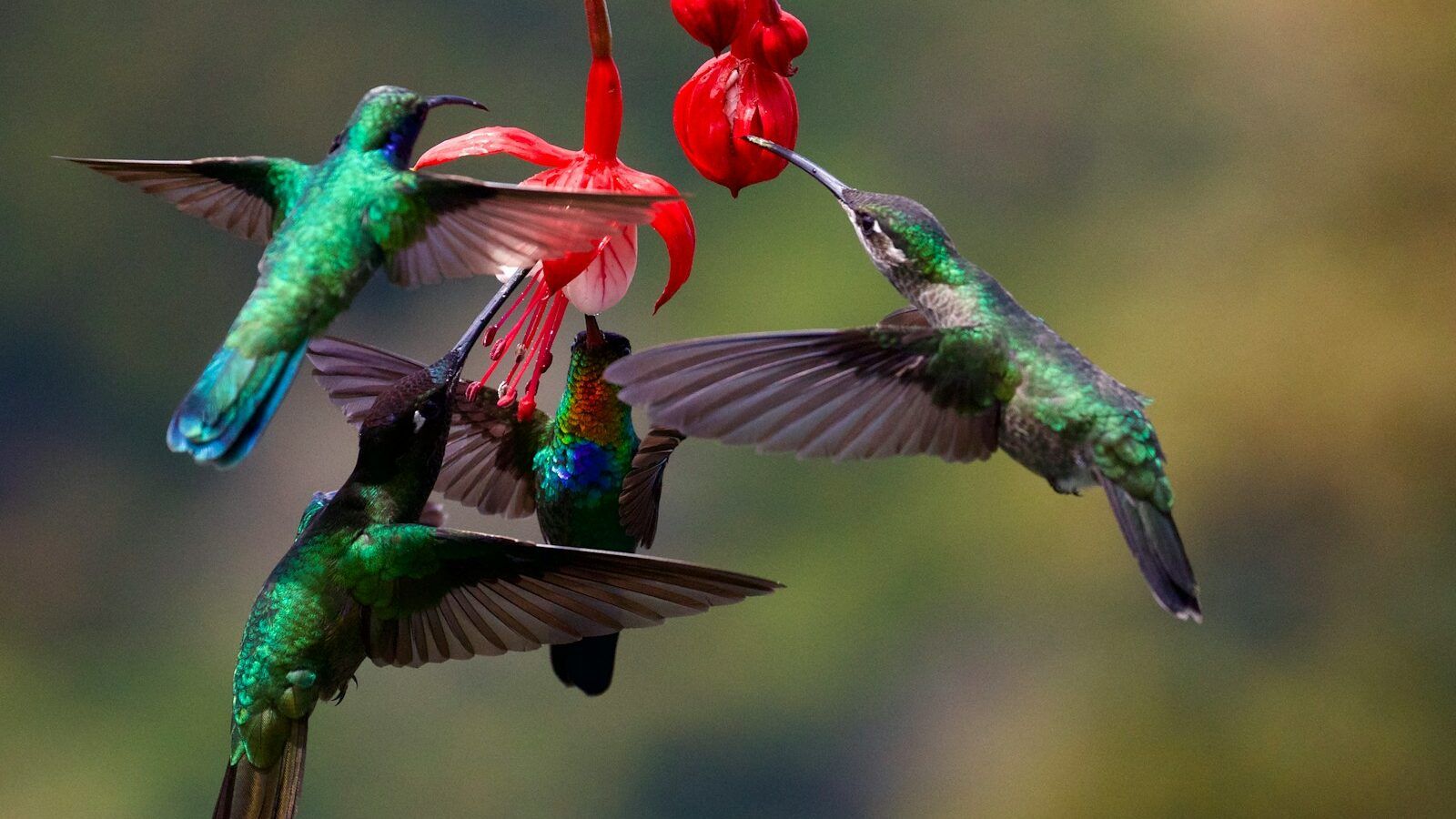
Hummingbirds (Colibríes): Tiny Marvels in the Forest
🌍 Where to Find Them
The cloud forests of Puntarenas and San Gerardo de Dota are prime spots for birdwatching, where you can observe hummingbirds fluttering with their dazzling colors. These tiny, energetic creatures are a treat for nature lovers.
🧐 Fun Fact
Hummingbirds are the only birds that can fly backwards and even hover in place.
Leatherback Turtle (Tortuga Baula o Laúd): Giants of the Sea
🌍 Where to Find Them
Costa Rica is one of the few places where you can witness the world’s largest sea turtle—the Leatherback Turtle. Watch them nesting on the beaches of Tortuguero, Playa Naranjo, Playa Grande, and Langosta in Guanacaste from late February to April.
🧐 Fun Fact
Leatherback turtles can dive to depths of over 1,200 meters (nearly 4,000 feet), the deepest of any sea turtle species.
Red-Eyed Tree Frog (Rana Verde de Ojos Rojos): A Nocturnal Treasure
🌍 Where to Find Them
The vibrant Red-Eyed Tree Frog is a captivating nocturnal creature. Look for them in the tropical forests of Sarapiquí and La Fortuna, where their bright colors are most visible at night.
🧐 Fun Fact
Red-Eyed Tree Frogs can leap up to 10 times their body length in a single jump to escape predators.
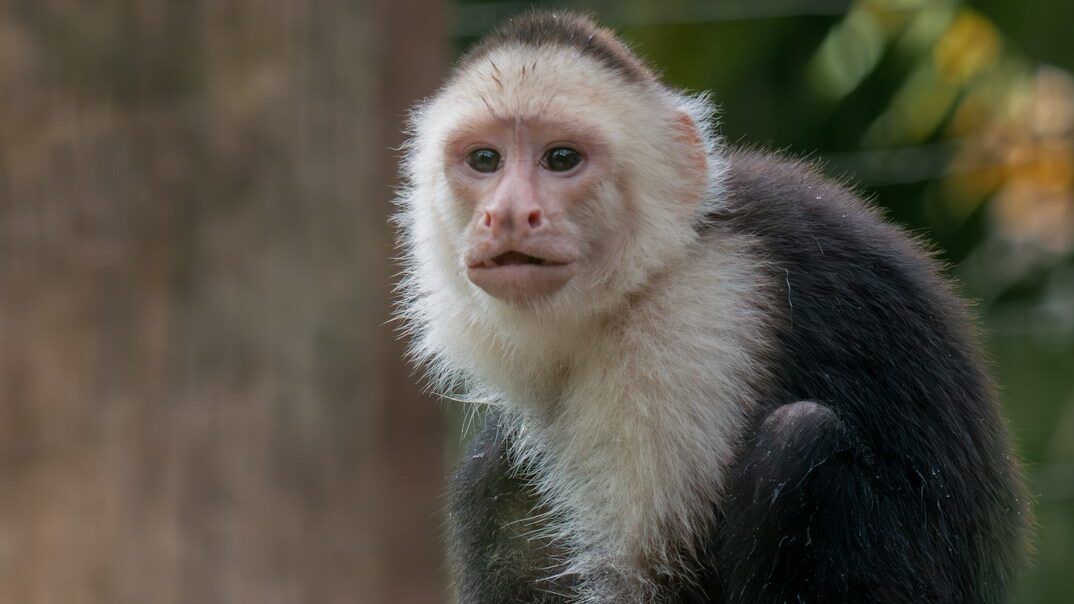
Capuchin Monkey (Mono Capuchino): Playful and Charismatic
🌍 Where to Find Them
The White-Faced Capuchin Monkey is one of Costa Rica’s most intelligent and social species. You can often find them in Rincón de la Vieja National Park, Corcovado, Manuel Antonio, and Northern Guanacaste.
🧐 Fun Fact
Their name comes from their facial markings that resemble the hoods worn by Capuchin friar monks.
Golden Orb-Weaver Spider (Araña Tejedora Dorada): Nature’s Architects
🌍 Where to Find Them
Don’t let their size scare you—the Golden Orb-Weaver Spider is harmless and plays a crucial role in the ecosystem. These spiders are commonly found in the Caribbean region, particularly in Selva Bananito, Sarapiquí, Tortuguero, and Cahuita.
🧐 Fun Fact
Golden Orb-Weaver Spiders are known for spinning the largest and strongest webs of any spider species.
Toucans (Tucanes): Vibrant Canopy Dwellers
🌍 Where to Find Them
Costa Rica is home to two types of toucans—the Rainbow-billed Toucan and the Emerald Toucan. The Rainbow-billed Toucan is commonly found in tropical forests, while the Emerald Toucan prefers the highland forests of Volcán Poás, Monteverde, and Dota.
🧐 Fun Fact
A toucan’s large bill helps regulate its body temperature, acting as a cooling system.
Quetzal (Quetzal): A Rare Sight to Behold
🌍 Where to Find Them
Known for their stunning plumage, the Quetzal is a rare bird that can be found in the highlands of Costa Rica. For a chance to spot one, head to Los Quetzales National Park or Turrialba.
🧐 Fun Fact
The Quetzal was once considered sacred by the ancient Mayans and Aztecs, and its feathers were used in royal regalia.
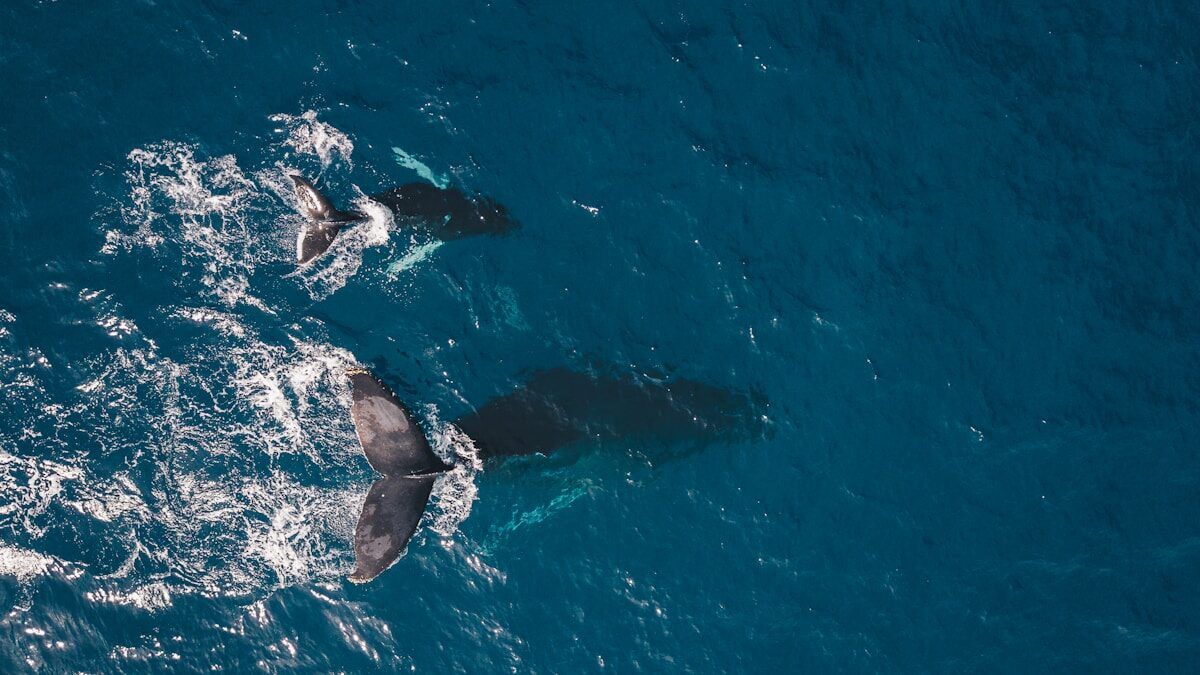
Humpback Whales (Ballenas Jorobadas): Majestic Giants of the Ocean
🌍 Where to Find Them
The Pacific waters off Costa Rica are a hotspot for whale watching. The Marino Ballena National Park is the best place to catch a glimpse of Humpback Whales between July and October. You can also spot them in Isla Violines, Bahía Drake, and Guanacaste.
🧐 Fun Fact
Humpback Whales are known for their complex songs, which they sing to communicate over long distances in the ocean.
White-Nosed Coati (Coatí de Nariz Blanca): Curious and Social
🌍 Where to Find Them
White-Nosed Coatis, or “pizotes,” are often found in the rainforests and national parks of Costa Rica, including Manuel Antonio, Monteverde, and Arenal Volcano National Park. These curious and playful creatures are a joy to observe.
🧐 Fun Fact
Coatis have a keen sense of smell, which they use to forage for food in the underbrush.
Jaguar (Jaguar): The Elusive Big Cat
🌍 Where to Find Them
Costa Rica’s jaguars are elusive, but sightings are possible in protected areas like Corcovado and Tortuguero National Parks. Keep an eye out for these magnificent creatures as they roam the lush forests.
🧐 Fun Fact
Jaguars have the strongest bite force of any big cat, capable of crushing the skulls of their prey.
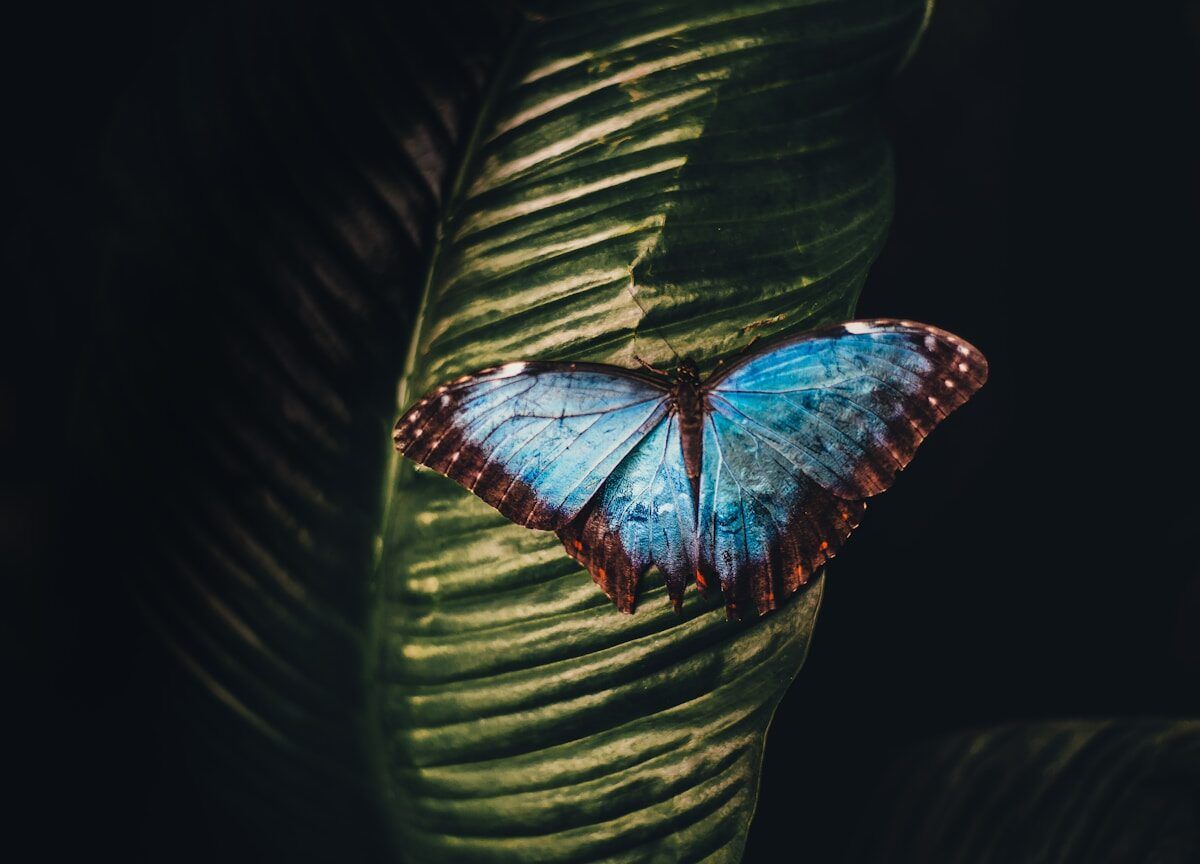
Blue Morpho Butterfly (Mariposa Morfo Azu): A Vibrant Display
🌍 Where to Find Them
The stunning Blue Morpho Butterfly is one of the most iconic species in Costa Rica. Look for these breathtaking butterflies in the rainforests of La Fortuna, Monteverde, and the Butterfly Conservatory in El Castillo.
🧐 Fun Fact
The Blue Morpho’s striking colour is not from pigment but from microscopic scales on their wings that reflect light.
Baird’s Tapir (Danta): The Gentle Giant of the Rainforest
🌍 Where to Find Them
The elusive Baird’s Tapir thrives in Costa Rica’s dense rainforests. You have the best chance of spotting one in Corcovado National Park, on the Osa Peninsula, or in Tortuguero National Park, where they roam near rivers and lagoons.
🧐 Fun Fact
Despite their large size, tapirs are excellent swimmers! They use their flexible, trunk-like snout as a snorkel while navigating through water.
Conclusion
Costa Rica offers an incredible array of wildlife, from rainforests to cloud forests, making it an ideal destination for animal lovers. Whether you’re spotting sloths in Manuel Antonio, chasing jaguars in Corcovado, or watching humpback whales in Marino Ballena, each region offers unique animal encounters.
For independent expats, travellers, and nomads looking to connect deeper with the local culture, immersing yourself in Costa Rica’s nature is a fantastic way to practice Spanish in authentic settings. The Osa Peninsula, Tortuguero, Monteverde, and Guanacaste regions are teeming with wildlife and offer plenty of opportunities for language learning through local tours and wildlife guides. Take a wildlife tour, chat with locals, and improve your Spanish while embracing the country’s stunning biodiversity!
Where will your next adventure—and Spanish practice—take you in Costa Rica?
