

A Journey to Santiago: Discover the 12 Ways to Walk the Camino
Explore the most popular routes to Santiago de Compostela
Every year, over 300,000 people put on their hiking boots. They aim for the Way of Saint James, or Camino de Santiago. This path goes through Europe's beautiful landscapes to the shrine of Saint James in Spain.
This journey is filled with history and beauty. It's a special path for those looking for a spiritual adventure. The Camino de Santiago has inspired travelers for centuries, with multiple routes leading to Santiago de Compostela. Pilgrims carry the Camino Pilgrim Passport ("Credencial del Peregrino"), collecting stamps along the way to access special accommodations and earn the Compostela certificate upon arrival. This journey blends history, culture, and personal reflection, making it a truly unforgettable experience.
This journey is more than walking. It's a tradition from medieval times, calling out to today's explorers. Every step on the Camino de Santiago tells a story. It's a shared tale of thousands each year, showing the Way of Saint James' lasting charm and spiritual depth.
Table of Contents
- Camino Francés – The Classic Route
- Camino del Norte – The Northern Route
- Camino Portugués – The Portuguese Way
- Camino Primitivo – The Original Route
- Vía de la Plata – The Silver Way
- Camino Inglés – The English Way
- Camino de Finisterre – The Way to the End of the World
- Camino de Madrid – The Madrid Route
- Camino de Levante – The Eastern Route
- Camino Portugués de la Costa – The Coastal Route
- Camino del Invierno – The Winter Route
- Camino Sanabrés – The Contemplative Path
- More Info
Key Takeaways:
- The Way of Saint James attracts over 300,000 pilgrims yearly.
- Camino de Santiago is a historical and spiritual journey through centuries.
- The Camino Francés offers a classic pilgrimage experience.
- Pilgrims are on a deep spiritual journey, not just walking.
- Camaraderie among walkers makes the journey special.
Camino Francés – The Classic Route
Looking for a mix of history, culture, and camaraderie? The Camino Francés is the most popular and well-marked route to Santiago de Compostela.
Snapshot of the Route
| Distance | Duration | Difficulty | Main Attraction | Best Season |
|---|---|---|---|---|
| 930 km | 32 days | Hard | Gastronomy | Spring (APR - JUN) Autumn (SEP - OCT) |
Explanation
The Camino Francés is the most famous of all the Camino routes. It starts in Saint-Jean-Pied-de-Port, France, crosses the Pyrenees, and winds through northern Spain, offering a blend of medieval towns, breathtaking landscapes, and rich cultural experiences.
This challenging yet rewarding journey takes you through diverse terrain, from mountains to plains, all while immersing you in the spiritual and social essence of the pilgrimage. With well-established hostels, hearty Spanish cuisine, and a vibrant pilgrim community, this route is ideal for both first-timers and seasoned travelers alike.
Here’s a snapshot of some of the gems you’ll walk through on the Camino Francés:
- Pamplona, home of the legendary running of the bulls
- Burgos, with its magnificent Gothic cathedral
- León, where medieval history meets wonderful gastronomy: from lively tapas to traditional and satisfying meals like "cocido maragato", perfect for recharging after a long walk
Key Route Stops
St Jean (FR) > Roncesvalles > Pamplona > Logroño > Burgos > León > Ponferrada > Sarria > Santiago de Compostela
Camino del Norte – The Northern Route
Craving ocean views and a quieter path? The Camino del Norte offers a coastal adventure along Spain’s northern shore.
Snapshot of the Route
| Distance | Duration | Difficulty | Main Attraction | Best Season |
|---|---|---|---|---|
| 825 km | 35 days | Hard | Breathtaking coastal views | Summer (JUN - AUG) |
Explanation
The Camino del Norte is a scenic and less crowded route that follows the rugged northern coast of Spain. Starting in Irún, near the French border, it winds through the Basque Country, Cantabria, Asturias, and Galicia, treating pilgrims to dramatic sea cliffs, charming fishing villages, and lush green landscapes.
This route is more physically demanding than the Camino Francés, with steep climbs and undulating terrain, but it rewards walkers with stunning Atlantic panoramas and some of Spain’s finest seafood.
Here are a few gems along the Camino del Norte:
- San Sebastián, famous for its beaches and world-class pintxos
- Santillana del Mar, a beautifully preserved medieval village
- Gijón, a lively coastal city blending history with modern charm
Key Route Stops
Irún > San Sebastián > Bilbao > Santander > Gijón > Ribadeo > Vilalba > Santiago de Compostela
Camino Portugués – The Portuguese Way
Want a Camino with a mix of history, culture, and a gentler terrain? The Camino Portugués is a beautiful and accessible route, perfect for those who prefer a slightly easier walk.
Snapshot of the Route
| Distance | Duration | Difficulty | Main Attraction | Best Season |
|---|---|---|---|---|
| 620 km | 27 days | Moderate | Blend of Portuguese & Spanish culture | Spring (MAR -MAY) Autumn (SEP - OCT) |
Explanation
The Camino Portugués, also known as Camino Portugués Central, is the second busiest route to reach Santiago and starts in Lisbon, winding north through Porto and the scenic Minho region before entering Spain. This route offers a softer landscape with fewer steep climbs, making it a great option for those looking for a less physically demanding pilgrimage.
Walkers experience charming villages, historic cities, and traditional cuisine while passing through both Portugal and Spain. With two main variants—the Central Route and the Coastal Route—pilgrims can choose between rural countryside or ocean breezes along the Atlantic.
Some highlights of the Camino Portugués:
- Lisbon, Portugal’s vibrant capital, rich in history and iconic "azulejos"
- Coimbra, home to one of Europe's oldest universities and charming medieval streets
- Porto, a UNESCO-listed city known for its wine and river views
Key Route Stops
Lisbon > Coimbra > Porto > Ponte de Lima > Tui > Pontevedra > Santiago de Compostela
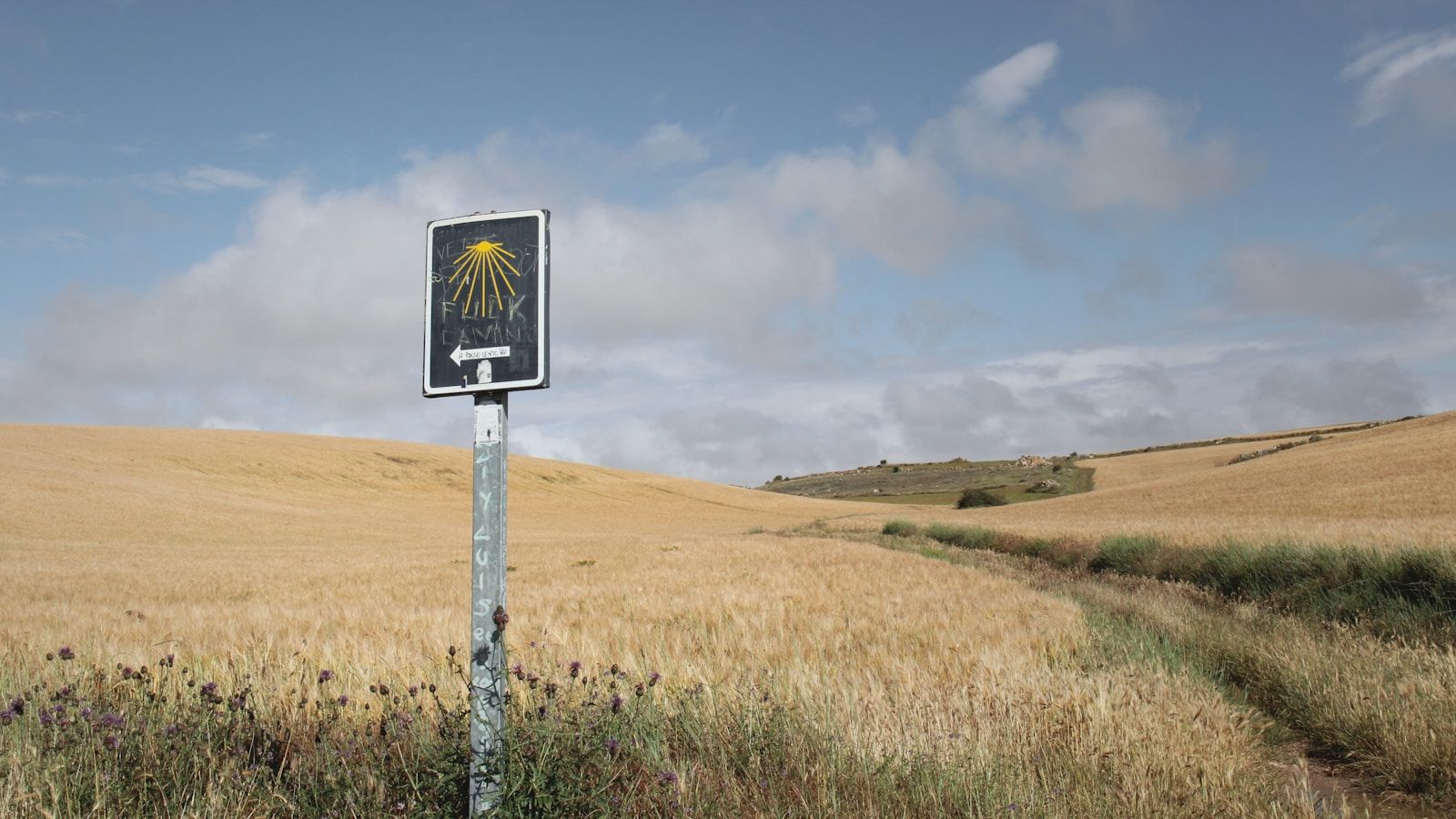
Camino Primitivo – The Original Route
Looking for a challenge with a rich history? The Camino Primitivo is the perfect route to walk in the footsteps of early pilgrims.
Snapshot of the Route
| Distance | Duration | Difficulty | Main Attraction | Best Season |
|---|---|---|---|---|
| 325 km | 14 days | Very Hard | Ancient Traditions | Late Spring (MAY - JUN) Early Autumn (SEP) |
Explanation
The Camino Primitivo is the original route that pilgrims took to reach Santiago de Compostela, offering a blend of breathtaking landscapes and historical depth. This 325-kilometer path runs through the rugged mountains of Asturias and Galicia, providing a more physically demanding experience than the Camino Francés. It’s a perfect route for those looking to connect with the pilgrimage’s early roots.
Despite its challenging nature, the Camino Primitivo rewards walkers with solitude, stunning views, and a sense of achievement. The route has fewer crowds, which gives you a more personal journey with a deeper connection to the land and its ancient traditions.
Here are some gems along the Camino Primitivo:
- Oviedo, with its historic old town and beautiful churches
- Melide, a town known for its delicious traditional "pulpo a la gallega" (octopus dish)
- Santiago de Compostela, where the journey ends at the famous cathedral
Key Route Stops
Oviedo > Grado > Salas > Tineo > Pola de Allande > Melide > Santiago de Compostela
Vía de la Plata – The Silver Way
Are you ready for a long, rewarding adventure? The Vía de la Plata is one of the most epic pilgrimages through Spain.
Snapshot of the Route
| Distance | Duration | Difficulty | Main Attraction | Best Season |
|---|---|---|---|---|
| 1,000 km | 40 days | Moderate | Roman Heritage | Early Spring (MAR - APR) Late Autumn (OCT - NOV) |
Explanation
The Vía de la Plata is one of the longest and most historic routes, stretching over 1,000 kilometers from Seville to Santiago de Compostela. Originally a Roman road, this route takes you through the heart of Spain, showcasing ancient Roman architecture, charming villages, and sprawling landscapes. It’s perfect for those seeking a more extended journey, with a mix of challenging walks and cultural exploration.
This route is a quieter, less crowded alternative to the Camino Francés, giving pilgrims a sense of solitude. The Vía de la Plata offers the opportunity to explore Spain’s rich heritage, with plenty of time to reflect and connect with the past.
Some of the highlights along the Vía de la Plata include:
- Seville, known for its iconic architecture and vibrant culture
- Cáceres, a UNESCO World Heritage site with medieval charm
- Zamora, with its well-preserved Romanesque architecture
Key Route Stops
Seville > Guillena > Mérida > Cáceres > Salamanca > Zamora > Ourense > Santiago de Compostela
You might like
Camino Inglés – The English Way
Want a shorter Camino with rich history and coastal views? The Camino Inglés offers a perfect blend of both!
Snapshot of the Route
| Distance | Duration | Difficulty | Main Attraction | Best Season |
|---|---|---|---|---|
| 113 km | 5 days | Easy | Coastal Views | Late Spring (MAY - JUN) Early Autumn (SEP) |
Explanation
The Camino Inglés is a shorter but equally rewarding route for those looking for a more relaxed pilgrimage. It’s the route traditionally taken by English pilgrims who arrived by sea at the northern port of Ferrol. With just 113 kilometers, it’s perfect for those with limited time or looking for a gentler introduction to the Camino.
The journey combines coastal views, charming towns, and a rich history of maritime pilgrimage. This route is less crowded, giving you a peaceful environment to reflect while still experiencing the cultural and spiritual elements of the Camino.
Some highlights of the Camino Inglés include:
- Ferrol, a port city with a naval history
- Pontedeume, a picturesque town with a medieval bridge
- A Coruña, a coastal city with the Tower of Hercules, a UNESCO World Heritage site
Key Route Stops
Ferrol > Pontedeume > Betanzos > Bruma > Santiago de Compostela
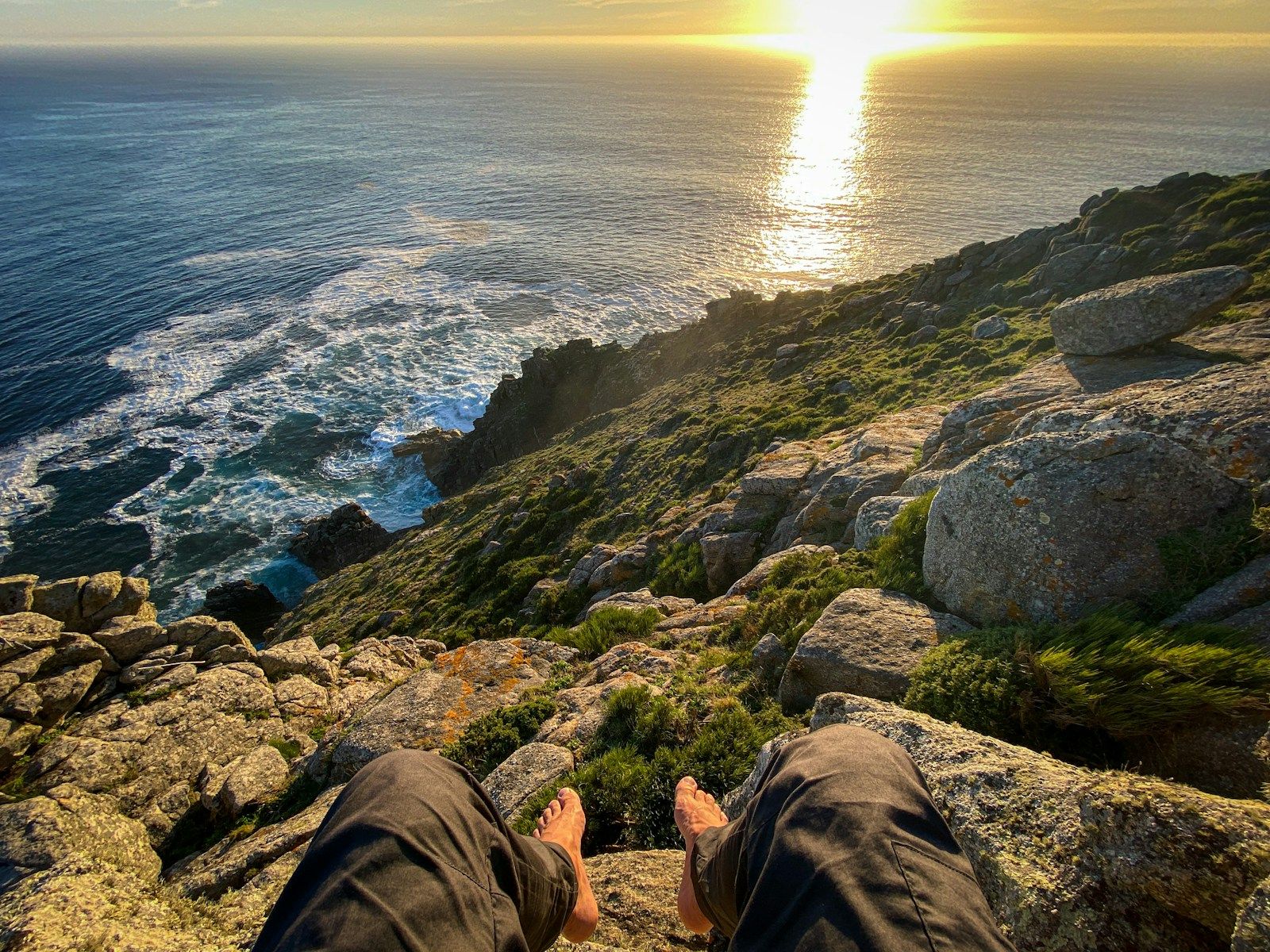
Camino de Finisterre – The Way to the End of the World
Ever wondered what it feels like to walk to the end of the earth? The Camino de Finisterre takes you to the legendary "end of the world" on Spain’s coast.
Snapshot of the Route
| Distance | Duration | Difficulty | Main Attraction | Best Season |
|---|---|---|---|---|
| 92 km | 4 days | Moderate | Ocean Views | Spring (APR - JUN) Autumn (SEP - OCT) |
Explanation
The Camino de Finisterre is a magical extension of the Camino de Santiago, taking pilgrims from Santiago de Compostela to the dramatic coastline of Finisterre. Once believed to be the end of the world, this route offers 90 kilometers of stunning coastal views and a peaceful, reflective atmosphere.
Though shorter than other Camino routes, it’s a powerful journey to the ocean’s edge. The walk is a blend of spiritual closure and natural beauty, as pilgrims reflect on their pilgrimage and enjoy the calming effects of the sea.
Some gems along the Camino de Finisterre include:
- Negreira, a picturesque town surrounded by lush landscapes and ancient bridges
- Muxía, a town known for its sanctuary and coastal beauty
- Finisterre, where pilgrims celebrate at the lighthouse, symbolizing the "end of the world"
Key Route Stops
Santiago de Compostela > Negreira > Muxía > Finisterre
Camino de Madrid – The Madrid Route
Ever thought of starting your Camino in the heart of Spain? The Camino de Madrid lets you experience the capital before heading out into the countryside.
Snapshot of the Route
| Distance | Duration | Difficulty | Main Attraction | Best Season |
|---|---|---|---|---|
| 323 km | 12 days | Moderate | Urban & Rural Blend | Spring (APR - MAY) Autumn (SEP - OCT) |
Explanation
The Camino de Madrid is one of the lesser-known routes of the Camino de Santiago but offers a compelling journey through Spain’s heart. Starting in the vibrant capital of Madrid, pilgrims walk through the Spanish countryside, connecting the urban life of the city with the tranquility of rural landscapes. It’s a great option for those who want to explore both the culture and nature of Spain on a slightly shorter journey.
The route offers a unique experience, as pilgrims experience the energy of Madrid, followed by quieter, more peaceful towns. As you walk, you’ll see a blend of historical landmarks, natural beauty, and fascinating local culture.
Some highlights of the Camino de Madrid include:
- Madrid, with its iconic landmarks and vibrant atmosphere
- Ávila, a medieval gem surrounded by well-preserved ancient walls
- Salamanca, a vibrant university city with stunning golden sandstone architecture
Key Route Stops
Madrid > Alcorcón > Villaviciosa > San Martín de Valdeiglesias > Ávila > Salamanca > Santiago de Compostela
Camino de Levante – The Eastern Route
Looking for a sunny route with rich heritage and coastal beauty? The Camino de Levante might be the perfect Camino for you!
Snapshot of the Route
| Distance | Duration | Difficulty | Main Attraction | Best Season |
|---|---|---|---|---|
| 1,100 km | 40 days | Moderate | Coastal & Historical Charm | Spring (MAR - MAY) Autumn (OCT - NOV) |
Explanation
The Camino de Levante stretches from Valencia on Spain’s eastern coast to Santiago de Compostela. This long route covers more than 1,100 kilometers, making it a great choice for those seeking a more comprehensive journey through Spain’s landscapes and cultures. Pilgrims travel through historic towns, charming countryside, and coastal regions, making it both an educational and scenic path.
The route offers an excellent balance of natural beauty and cultural heritage. Expect warm, sunny days and a chance to enjoy the Mediterranean coast as you make your way westward. If you're looking for an immersive, longer pilgrimage, this route is an unforgettable experience.
Some gems along the Camino de Levante include:
- Valencia, with its stunning architecture and rich history
- Albacete, famous for its traditions and excellent gastronomy, including "manchego"
- Ourense, a picturesque town with thermal baths
Key Route Stops
Valencia > Requena > Albacete > Ciudad Real > Ourense > Santiago de Compostela
Camino Portugués de la Costa – The Coastal Route
Ever dreamt of walking along the Atlantic coast with the ocean breeze at your back? The Camino de la Costa lets you do just that!
Snapshot of the Route
| Distance | Duration | Difficulty | Main Attraction | Best Season |
|---|---|---|---|---|
| 280 km | 13 days | Moderate | Ocean Views & Cliffs | Spring (APR - JUN) Autumn (SEP - OCT) |
Explanation
The Camino Portugués de la Costa is a breathtaking route that takes you along Portugal’s northern coastline. Starting in Porto, this path offers pilgrims the opportunity to experience stunning coastal landscapes, charming fishing villages, and a blend of Portuguese and Galician cultures. This route is perfect for those seeking a different Camino experience, with the sound of the waves always in the background.
The Camino Portugués de la Costa has seen a significant increase in popularity in recent years, attracting pilgrims looking for a less crowded alternative to the more traditional routes. The proximity to the sea provides a temperate climate, allowing for comfortable walking conditions during most of the year.
Some highlights along the Camino de la Costa include:
- Viana do Castelo, famous for its historic architecture and vibrant cultural scene
- Baiona, charming coastal town with a rich maritime history
- Vigo, a coastal city known for its fresh seafood and stunning Cíes Islands, a nature reserve archipelago
Key Route Stops
Porto > Vila do Conde > Viana do Castelo > Caminha > A Guarda > Baiona > Vigo > Redondela > Santiago de Compostela
Camino del Invierno – The Winter Route
Looking for a quieter Camino experience through hidden villages and mountain landscapes? The Camino del Invierno offers just that!
Snapshot of the Route
| Distance | Duration | Difficulty | Main Attraction | Best Season |
|---|---|---|---|---|
| 270 km | 12 days | Moderate | Secluded Nature & Villages | Autumn (SEP - NOV) |
Explanation
The Camino del Invierno is one of the lesser-known routes of the Camino de Santiago, making it an ideal choice for pilgrims seeking a quieter journey. Starting in the province of Ponferrada (León), this route takes you through rugged mountain paths, hidden villages, and scenic natural landscapes. Its name, "Winter Route", hints at the path’s more isolated nature, offering peaceful surroundings and a more introspective pilgrimage.
Although the route is shorter than others, it offers a different perspective of Galicia’s rural life. The journey offers a blend of mountain views, charming villages, and a quieter atmosphere, making it perfect for those who want to escape the busier Camino routes.
Some highlights of the Camino del Invierno include:
- Ponferrada, a medieval town with its famous Templar Castle
- Villafranca del Bierzo, a charming town with medieval streets
- O Cebreiro, a mystical village with ancient "palloza" houses
Key Route Stops
Ponferrada > La Bañeza > Villafranca del Bierzo > O Cebreiro > Santiago de Compostela
Camino Sanabrés – The Contemplative Path
Want to experience a quieter yet culturally rich pilgrimage? The Camino Sanabrés offers a serene journey through historic monasteries and breathtaking natural landscapes.
Snapshot of the Route
| Distance | Duration | Difficulty | Main Attraction | Best Season |
|---|---|---|---|---|
| 365 km | 13 days | Moderate | Historic monasteries & nature | Spring (APR - JUN) Autumn (SEP - OCT) |
Explanation
Also known as the Mozarabic Way, the Camino Sanabrés is an alternative route that branches off from the Vía de la Plata. Starting in Zamora, this route passes through a landscape rich in history, with monasteries, ancient churches, and untouched natural beauty. This route is perfect for those who want to avoid the crowds of the Camino Francés while experiencing the natural beauty and authentic charm of rural Spain.
Unlike more popular paths, the Camino Sanabrés remains a peaceful and immersive experience, offering a deeper connection to both nature and history. Pilgrims can explore remote villages, lush forests, and medieval landmarks, making it an ideal choice for those seeking a more contemplative and personal journey to Santiago de Compostela.
Some gems along the Camino Sanabrés include:
- Monastery of Oseira, a magnificent Cistercian monastery known as the "Escorial of Galicia"
- Puebla de Sanabria, a beautifully preserved medieval town with a stunning castle
- Lubián, a medieval town where the pilgrims find the first of more than a hundred stones made by the sculptor Carballo
Key Route Stops
Granja de Moreruela > Puebla de Sanabria > Lubián > Ourense > Santiago de Compostela
Conclusion: Speak Spanish on the Camino
The Camino de Santiago isn’t just a journey through Spain—it’s a chance to speak Spanish and connect with the culture along the way. Every step brings opportunities to practice with locals and fellow travelers, helping you improve your skills naturally.
To continue your language journey, Speak Dating offers one-on-one lessons with native tutors, perfect for expats, nomads, and travelers. Start mastering Spanish today and make your Camino experience even more meaningful!
More Info
Gronze - Camino de Santiago Guide & App
Spain Tourist Information - Spain's official tourism website.
